
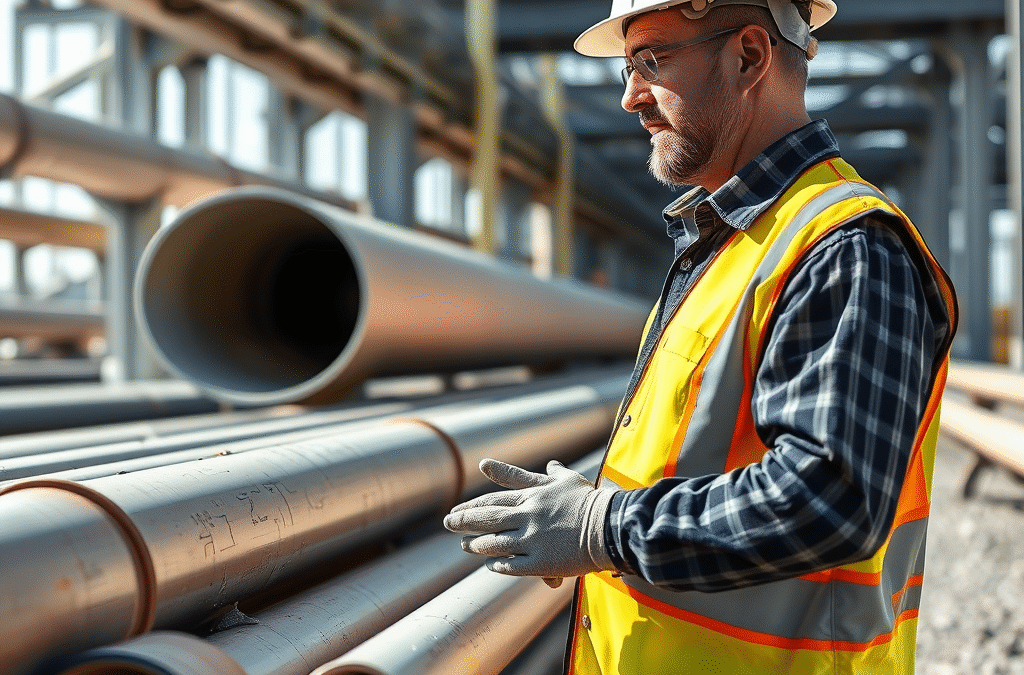
Pipe Grade in Construction and Its Influence on Pipe Strength Comparison
Summary:
Choosing the right pipe grade in construction directly affects pipe strength comparison and overall structural safety. Factors like material composition, pressure rating, and corrosion resistance determine which grade meets design requirements. Understanding these impacts helps engineers avoid failures, reduce costs, and ensure long‑term reliability in piping systems.
Intro:
When building with pipes, the pipe grade in construction sets the baseline for strength. A clear pipe strength comparison guides material selection and ensures safety.
What Is Pipe Grade?
A pipe grade defines the material specifications and performance limits. It tells how the pipe will behave under load and over time. Engineers refer to standards that outline chemical makeup and mechanical properties.
* Specifies tensile strength and yield point
* Determines pressure rating limits
* Indicates suitability for various environments
How Pipe Strength Comparison Is Measured
Strength is evaluated through tests that simulate real‑world stresses. These results are compared across grades to find the best fit for a given application.
* Tensile testing measures maximum load before failure
* Burst testing checks performance under extreme pressure
* Hardness tests reveal resistance to deformation
Key Factors in Selecting Pipe Grade for Construction
Several variables influence which grade is appropriate. Considering each helps avoid under‑ or over‑specifying materials.
* Environment exposure such as soil chemistry or chemicals
* Operating temperature and pressure requirements
* Expected lifespan and maintenance expectations
Practical Tips for Using Pipe Grade in Projects
Apply these tips to streamline selection and improve outcomes on site.
* Match grade to design codes and project specifications
Consult material data sheets for detailed performance info Factor in future load changes or retrofitting needs
Common Mistakes to AvoidAvoid these pitfalls to protect structural integrity and budget.
* Using a lower grade than required for high‑stress zones
* Ignoring corrosion allowances in harsh settings
* Overlooking temperature limits that affect strength
FAQs
What does pipe grade in construction mean?
It refers to the standardized classification of pipe materials based on strength, composition, and intended use.
How does pipe strength comparison affect design?
It helps engineers choose a grade that can safely handle expected pressures and loads.
Can I use a higher grade pipe than required?
Yes, but it may increase cost without adding safety benefits.
What tests are used for pipe strength comparison?
Tensile, burst, and hardness tests are common methods to evaluate strength.
Is corrosion resistance part of pipe grade?
Yes, many grades include specifications for corrosion resistance.
How do I know which grade to select?
Refer to project specs, code requirements, and environmental conditions.
Does pipe grade affect installation methods?
Higher grades may require different joining techniques or tools.
Can pipe grade change over time?
Materials can degrade, so long‑term monitoring is essential.
What standards govern pipe grades?
Standards like ASTM, ISO, and AWWA set the criteria for classifications.
Are all pipe grades interchangeable?
No, each grade has unique mechanical properties and limitations.
How does temperature impact pipe strength comparison?
Elevated temperatures can reduce strength, influencing grade choice.