#Effects of Wrong Pipe Grade in Construction
Using the wrong pipe grade in construction can cause leaks, bursts, and structural failures. It weakens pressure handling, increases corrosion risk, and may lead to costly repairs or safety hazards. Choosing the correct grade ensures safety, longevity, and compliance with codes. This guide explains the effects of wrong pipe grade in construction and how to avoid them.
## What Is Pipe Grade and Why It Matters
Pipe grade refers to the classification of a pipe’s material, strength, and pressure rating. Engineers use grades such as Schedule 40, Schedule 80, or specific ASTM specifications to match a pipe’s ability to handle temperature, pressure, and chemical exposure. Selecting the right grade determines whether a system can operate safely over its intended lifespan.
## Common Pipe Grades Used in Construction
### Metal Pipes – **Carbon steel** – widely used for water, oil, and gas.
– **Stainless steel** – resistant to corrosion in harsh environments.
– **Galvanized steel** – coated to slow rust formation.
### Plastic Pipes
– **PVC (Schedule 40/80)** – suitable for cold water and drainage. – **CPVC** – handles higher temperatures.
– **PEX** – flexible, used for hot and cold water distribution. ### Composite and Specialty Pipes
– **HDPE (High‑Density Polyethylene)** – used for gas and water mains. – **CPVC‑reinforced** – combines plastic flexibility with metal strength.
Each grade offers a different balance of strength, flexibility, and cost. Using a grade that does not meet the project’s demands can trigger serious problems. ## What Happens When You Use the Wrong Pipe Grade
### Structural Weakness
A pipe rated for low pressure may collapse under normal operating loads. The wall thickness may be insufficient, causing the pipe to buckle when вода (water) or gas is introduced. This is one of the most visible effects of wrong pipe grade in construction.
### Pressure Problems
Pressure‑rated pipes have specific limits. If a pipe cannot handle the required pressure, it may develop pinhole leaks or sudden bursts. In water distribution systems, this can lead to service interruptions and property damage.
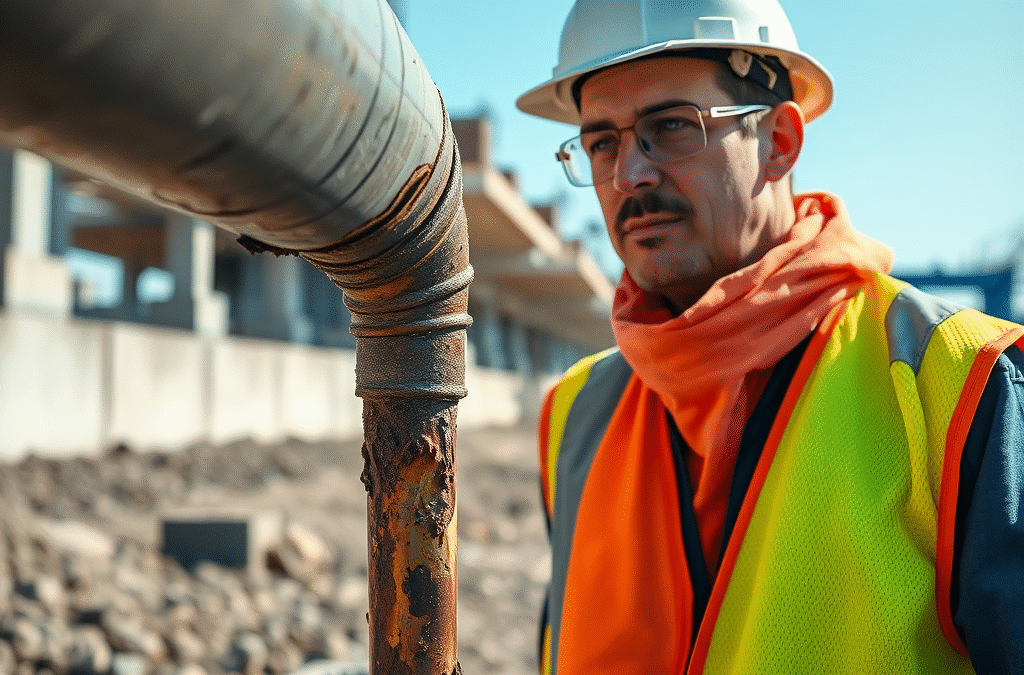
### Corrosion Risks Some grades are designed for particular environments. Installing a carbon steel pipe in a highly acidic soil can accelerate rust formation. Corrosion reduces the pipe’s cross‑sectional area, weakening it further and shortening its service life.
### Installation Issues
Wrong grades may not fit with compatible fittings. A pipe that is too stiff cannot be bent around obstacles, forcing installers to use extra joints. Extra joints increase the number of potential leak points and raise labor costs.
## Real‑World Consequences
### Burst Pipe Incidents
A residential project once installed a Schedule 40 PVC pipe where a Schedule 80 rating was required for underground gas service. Within weeks, the pipe ruptured under pressure, releasing gas into the home. The incident required evacuation, extensive repairs, and a costly insurance claim.
### Cost Overruns Replacing a pipe that fails early adds material, labor, and downtime expenses. In commercial buildings, a burst pipe may force an entire floor to shut down, disrupting tenant operations and causing revenue loss.
### Safety Hazards Improper pipe grades can compromise fire‑suppression systems. If a sprinkler pipe cannot hold pressure, it may fail during a fire, endangering lives and violating fire codes. ## How to Choose the Right Pipe Grade ### Assess Project Requirements
1. Determine the maximum operating pressure.
2. Identify temperature ranges.
3. Consider exposure to chemicals or soil conditions.
### Consult Codes and Standards
Refer to local building codes, ASTM specifications, and industry standards. These documents specify the minimum grade for each application.
### Verify Material Certifications
Obtain mill test reports or certification documents that confirm the pipe meets the required grade. Visual inspection alone is not enough.
### Use Professional Guidance
Work with a licensed engineer or a reputable supplier. They can recommend a grade that matches the project’s technical needs and budget.
## Preventive Measures
### Proper Inspection Checklist
– Verify pipe markings against specifications.
– Check wall thickness and outer diameter.
– Confirm the correct grade for fittings and valves.
### Documentation Practices
Record the selected grade, supplier details, and certification numbers. This paperwork simplifies future audits and troubleshooting.
### Training for Workers
Educate installers on the importance of pipe grade selection. Simple mistakes, like using a cheap alternative, can have severe consequences.
## Tools and Resources
– **Pressure Rating Charts** – common reference for selecting grades.
– **Online Grade Calculators** – help match project parameters with suitable pipes. – **Material Databases** – provide detailed properties of each pipe type.
Using these resources ensures that decisions are based on accurate data rather than assumptions.
## Conclusion
Choosing the correct pipe grade protects against structural failures, pressure loss, corrosion, and costly repairs. The effects of wrong pipe grade in construction can compromise safety, inflate budgets, and damage reputations. By understanding pipe grades, following code requirements, and verifying each material, builders can deliver projects that are safe, durable, and financially sound.
## FAQs
**What is the main effect of wrong pipe grade in construction?**
It can cause leaks, bursts, or structural failure because the pipe cannot handle the required pressure or environmental conditions.
**How does pipe grade affect project cost?**
A mismatch often leads to early failure, requiring replacement, extra labor, and possibly fines, which raises overall expenses.
**Can using a higher‑grade pipe cause problems?**
Generally not, but it may be unnecessarily expensive and can create compatibility issues with fittings designed for lower grades.
**What standards specify pipe grades for residential use?** In the U.S., standards such as the International Residential Code (IRC) and ASTM specifications govern pipe grades.
**How can I verify a pipe’s grade before installation?**
Check the markings on the pipe, request certification documents, and compare dimensions with grade specifications.
**What should I do if I discover a wrong pipe grade on a project?**
Stop work immediately, assess the risk, and plan a replacement using the correct grade with proper documentation.
**Is it ever acceptable to use a lower‑grade pipe for non‑critical applications?**
Only if the application’s pressure and temperature limits are well below the pipe’s capacity and local codes permit it.
**How often should pipe materials be inspected during construction?**
Inspect at each stage: delivery, before joining, and after installation before covering or pressurizing the system.
**What role does soil condition play in pipe grade selection?**
Corrosive soils may require coated or stainless‑steel grades to prevent premature degradation.
**Can I rely on visual inspection alone to confirm pipe grade?**
No, visual checks cannot confirm material composition or pressure rating; laboratory testing or certified documentation is required.
**What are the most common signs of a failing pipe due to wrong grade?**
Frequent leaks, visible corrosion, bulging, or unusual noises such as knocking when the system is pressurized.
—
*End of article*