
Contents
- 1 Why GI Pipes Are Different –The Difference Between GI Pipe Quality
- 1.1 What Are GI Pipes?
- 1.2 Why GI Pipes Are Different – The Core Factors
- 1.3 Factors That Affect GI Pipe Quality
- 1.4 How to Spot Low‑Quality GI Pipes
- 1.5 Best Practices for Selecting Good GI Pipe Quality### Ask the Supplier
- 1.6 Common Misconceptions About GI Pipe Quality### All Galvanized Pipes Are the Same
- 1.7 Real‑World Examples
- 1.8 Maintenance Tips to Preserve GI Pipe Quality
- 1.9 Summary and Next Steps
- 1.10 FAQs
Why GI Pipes Are Different –The Difference Between GI Pipe Quality
Most people think all GI pipes are the same. That is not true. The quality of galvanized steel pipes varies a lot. This article explains why GI pipes differ and how to spot the best ones. You will learn simple steps to choose pipes that last longer and cost less over time.
What Are GI Pipes?
Definition
GI stands for Galvanized Iron. It is steel that has been coated with zinc. The coating protects the steel from rust.
Common Uses
People use GI pipes for water supply, fencing, scaffolding, and outdoor structures. They are popular because they resist corrosion and are relatively cheap.
Why GI Pipes Are Different – The Core Factors
Material Composition
Not all steel is identical. Some pipes use low‑grade steel that may bend easily. High‑grade steel has a stronger core and holds pressure better.
Coating Process The way zinc is applied matters. Hot‑dip galvanizing dips the pipe in molten zinc. This creates a thick, even layer. Electro‑galvanizing uses electric current and often yields a thinner coat.
Wall Thickness and Strength
Pipes come in many thickness grades. A thicker wall can handle higher pressure. Thin‑walled pipes may crack under stress.
Factors That Affect GI Pipe Quality
Galvanization Process
- Hot‑dip: thick, durable coating
- Electro‑galvanizing: smoother finish but thinner – Mechanical galvanizing: less consistent
Steel Grade
Common grades include ASTM A53 and ASTM A123. Higher grades have tighter chemical limits and better mechanical properties.
Manufacturing Controls
Quality control checks during rolling, welding, and cutting keep dimensions accurate. Poor control leads to weak spots.
Surface Treatment
Cleaning before coating removes oil and rust. If the surface is dirty, the zinc will not stick properly.
How to Spot Low‑Quality GI Pipes
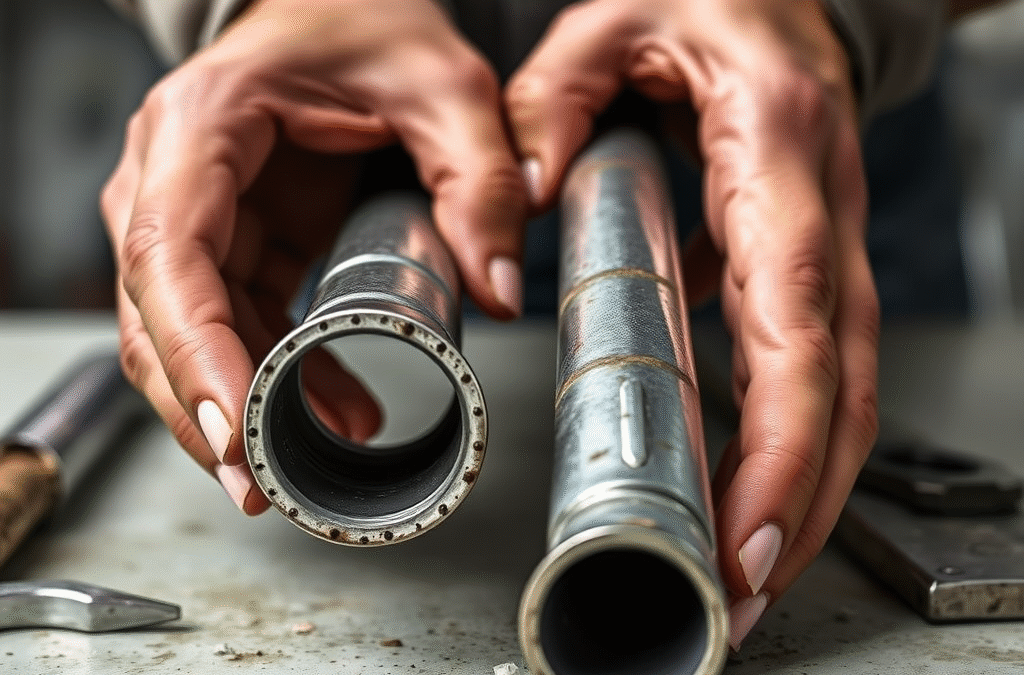
Visual Signs – Dark spots or patches on the coating – Rough or uneven zinc surface
- Visible scratches that expose steel
Dimensional Checks
- Measure outer diameter and wall thickness with a caliper.
- Compare results to the manufacturer’s specifications.
Testing Methods
- Perform a magnetic test to see if the core is steel.
- Conduct a bend test on a small sample to check flexibility.
Best Practices for Selecting Good GI Pipe Quality### Ask the Supplier
- Request the galvanizing method used.
- Inquire about the steel grade and any certifications.
Check Certifications
Look for mill test reports (MTRs). These documents show chemical composition and coating thickness. ISO 9001 and ASTM standards are good signs.
Request Test Reports
Ask for zinc coating thickness reports. A thickness of at least 55 µm is typical for hot‑dip pipes.
Common Misconceptions About GI Pipe Quality### All Galvanized Pipes Are the Same
False. The galvanizing method, steel grade, and wall thickness create big differences.
Higher Price Means Better Quality
Not always. Some expensive pipes are made from low‑grade steel. Quality depends on process, not just cost.
Real‑World Examples
Construction Projects
A commercial building used thin‑walled, poorly galvanized pipes. After a few years, leaks appeared. The contractor had to replace them, adding extra cost.
Underground Utilities
A city installed high‑quality hot‑dip GI pipes for water mains. After 30 years, the pipes still function without corrosion. The initial investment paid off.
Maintenance Tips to Preserve GI Pipe Quality
Cleaning Wash pipes with mild soap and water. Avoid harsh chemicals that can damage the zinc layer.
Inspection
Check for scratches or rust spots every few months. Touch‑up with zinc‑rich paint if needed.
Coating Repair
If a small area is exposed, clean it, apply a zinc primer, and paint over it. This stops rust from spreading.
Summary and Next Steps
In short, GI pipes are not all equal. The difference between GI pipe quality comes from material, coating, thickness, and manufacturing care. Choose pipes with hot‑dip zinc, high‑grade steel, and proper certifications. Inspect them regularly and keep them clean. Doing so will save money and avoid future failures.
FAQs
What does GI stand for?
GI stands for Galvanized Iron, meaning steel coated with zinc to resist rust.
Why are some GI pipes cheaper? Cheaper pipes often use lower‑grade steel or thinner zinc coating.
How can I tell if a GI pipe is hot‑dip galvanized?
Hot‑dip pipes have a thick, dull zinc finish and feel heavier than electro‑galvanized ones.
Is thicker wall always better?
Usually yes, because a thicker wall can handle higher pressure and mechanical stress.
Do all GI pipes need the same maintenance?
No. Pipes in harsh environments need more frequent inspection and cleaning.
Can I paint over a scratched GI pipe?
Yes. Clean the area, apply zinc‑rich primer, then paint to protect the exposed steel.
What certifications should I look for? Look for ISO 9001, ASTM A53, or ASTM A123 markings on the pipe or paperwork.
How thick should the zinc coating be? At least 55 µm for most outdoor applications; thicker is better for aggressive environments.
Are GI pipes safe for drinking water?
Yes, if they meet potable water standards and the zinc coating is intact.
What happens if a GI pipe rusts?
Rust can weaken the pipe and cause leaks, so early repair is essential.
Can I reuse old GI pipes?
Only if they pass a thorough inspection for coating integrity and structural soundness.
Why do some projects choose GI over PVC?
GI pipes are stronger, handle higher pressure, and are better for outdoor exposure.
Do GI pipes expand with temperature changes?
Yes, like most metals, but the expansion is minimal and accounted for in design.
How long do GI pipes last?
With good quality and proper maintenance, they can last 30 years or more.